بِسْمِ اللهِ الرَّحْمٰنِ الرَّحِيْمِ
السلام عليكم ورحمة الله وبركاته

AL - TAYYARAH Tours Pvt.Ltd
Information Of The Battle of Badr – A Historic Victory in Islam
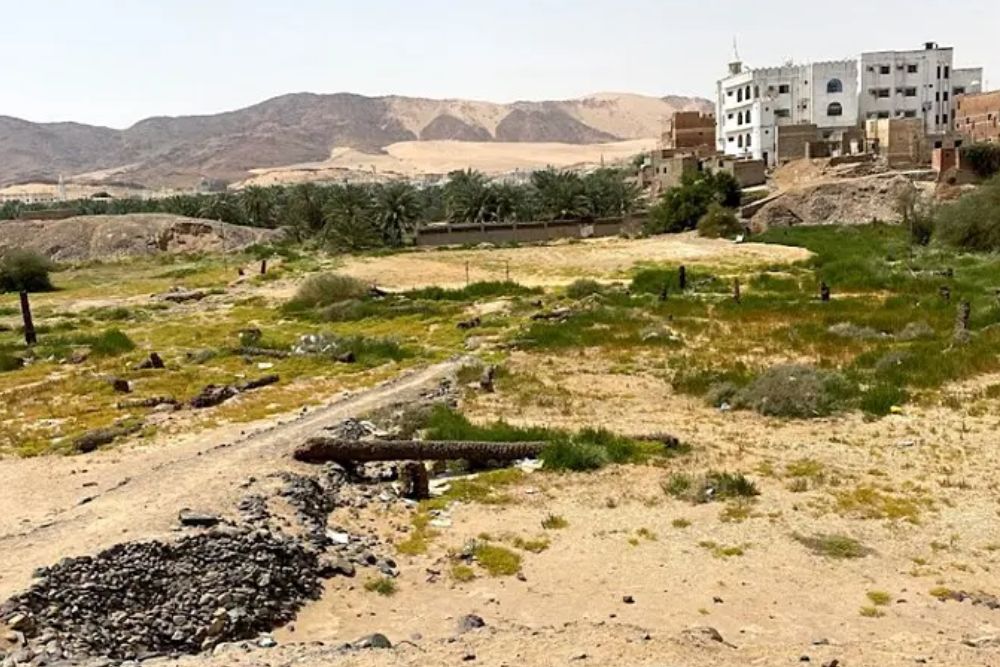
The Battle of Badr – A Historic Victory in Islam
1. Significance of the Battle
The Battle of Badr was the first major battle in Islamic history and one of the most decisive. It took place on Friday, 17th Ramadhan, 2 AH. The Muslims, numbering around 313, faced the Quraysh army of about 1,000 men. Despite being outnumbered, the Muslims achieved victory by the help of Allah (ﷻ).
2. Preparations for Battle
On the morning of Badr, the Prophet Muhammad (ﷺ) led his companions in salah (prayer) and encouraged them to remain steadfast. He arranged the ranks of his small army with precision, pointing with an arrow in his hand.
Meanwhile, Abu Jahl arrogantly prayed for victory, asking Allah to destroy whichever side was “less kind to their relatives.” Allah (ﷻ) later revealed in Surah Al-Anfal [8:19] that his prayer had backfired, as the judgment had already been decided against the disbelievers.
3. Early Clashes
The Quraysh positioned themselves at Al-Udwat al-Quswa, opposite the Muslims. Some tried to draw water from the wells of Badr but were stopped. Among them, only Hakeem bin Hizam survived—he later accepted Islam.
The first to provoke combat was Al-Aswad bin Abdul Asad al-Makhzumi, who swore to drink from the Muslims’ basin or die trying. He was met by Hamza ibn Abdul Muttalib (رضي الله عنه), who struck him fatally.
4. The Challenge of Single Combat
Before the full-scale battle began, three Quraysh champions—Utbah bin Rabi’a, his brother Shayba, and his son Waleed—challenged the Muslims to single combat.
At first, three Ansar stepped forward, but the Quraysh insisted on facing the Makkan emigrants. In response, three of the Prophet’s closest companions advanced:
Hamza (RA) vs. Shayba
Ali ibn Abi Talib (RA) vs. Waleed
Ubaydah ibn Harith (RA) vs. Utbah
Hamza and Ali quickly defeated their opponents. Ubaydah and Utbah fought fiercely, both sustaining injuries. Hamza and Ali intervened, killing Utbah. Sadly, Ubaydah (RA) was mortally wounded and later passed away on the journey back to Madinah.
5. The Battle Intensifies
Angered by these early losses, the Quraysh launched a full assault. The Muslims, strengthened by their faith, stood firm, chanting “Ahad! Ahad!” (One! One! – declaring Allah’s Oneness).
The Prophet (ﷺ) made heartfelt dua (supplication), and Allah (ﷻ) responded by sending an army of angels to aid the believers. The Prophet (ﷺ) told Abu Bakr (RA):
“Rejoice, O Abu Bakr! Allah’s help has come. This is Jibreel, advancing with his horse, his garments covered with dust.”
6. Turning Point of Victory
The Prophet (ﷺ) then threw a handful of dust toward the Quraysh, saying:
“Let their faces be disfigured.”
The dust spread miraculously into their eyes and noses. The Qur’an refers to this moment:
“It was not you who threw, but Allah.” [Surah Al-Anfal 8:17]
At his command—“Rise!”—the Muslims charged. Though outnumbered, they fought with unmatched courage. With angelic support, the Quraysh ranks collapsed. Many were killed, others captured, and the rest fled in panic.
Satan himself, who had come disguised as Suraqa bin Malik, abandoned the Quraysh when he saw the angels and escaped toward the Red Sea.
7. Outcome of the Battle
The Muslims achieved a decisive victory despite being vastly outnumbered.
The Quraysh lost many of their leaders, including Abu Jahl.
This battle marked a turning point in Islamic history, strengthening the faith of the believers and sending a powerful message across Arabia.
The battlefield of Badr is located about 130 km (80 miles) from Madinah, and today it remains a site of historical and spiritual importance.
FAQs about the Battle of Badr
Q1: Why is the Battle of Badr so important in Islam?
Because it was the first major battle fought by Muslims, proving that faith and reliance on Allah can overcome overwhelming odds. It also showed divine support through the angels.
Q2: How many Muslims fought in the Battle of Badr?
Around 313 Muslims fought against 1,000 Quraysh warriors.
Q3: Did the Prophet Muhammad (ﷺ) fight in the battle?
Yes, the Prophet (ﷺ) personally participated—leading, encouraging, and praying for his companions.
Q4: Who were the heroes of the Battle of Badr?
Among the greatest were Hamza ibn Abdul Muttalib, Ali ibn Abi Talib, and Ubaydah ibn Harith (رضي الله عنهم).
Q5: Were angels really present in the battle?
Yes. The Qur’an confirms that Allah sent an army of angels to assist the Muslims [Surah Al-Anfal 8:9–12].
Q6: What lesson does the Battle of Badr teach us?
That victory does not come from numbers or power, but from faith, patience, unity, and Allah’s help.