بِسْمِ اللهِ الرَّحْمٰنِ الرَّحِيْمِ
السلام عليكم ورحمة الله وبركاته

AL - TAYYARAH Tours Pvt.Ltd
The Seven Mosques (Al-Masajid as-Sab‘ah) – Sacred Sites of the Battle of the Trench
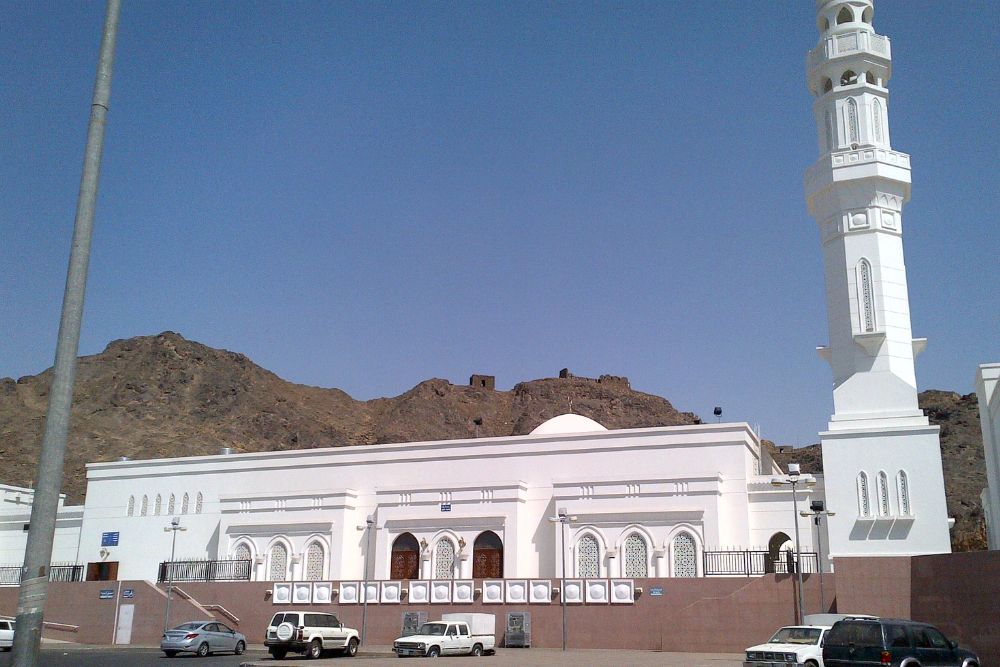
The Seven Mosques (Al-Masajid as-Sab‘ah) – Sacred Sites of the Battle of the Trench
The Seven Mosques (المساجد السبعة) in Madinah are a cluster of small mosques located near Mount Sela‘, on the site of the historic Battle of the Trench (Ghazwat al-Khandaq), which took place in 5 AH / 627 CE.
Although originally there were seven mosques, only six remain today, but the area is still popularly known as Al-Masajid as-Sab‘ah. Each mosque is connected to key figures of Islam or significant moments from the battle, making this one of the most cherished ziyarat locations in Madinah.
Historical Background
In 627 CE, the Quraysh and allied tribes marched to besiege Madinah.
Following the advice of Salman al-Farsi (RA), Muslims dug a trench (Khandaq) as a defensive barrier around the vulnerable parts of the city.
These mosques were built at or near the command posts, stations, and lookout points of the Prophet ﷺ and his companions during the battle.
Over centuries, rulers such as Umar ibn Abd al-Aziz and later the Ottoman sultans renovated and preserved these sites.
The Mosques of the Site
1. Masjid al-Fath (مسجد الفتح)
Largest of the Seven Mosques.
Built on a small hilltop where the Prophet Muhammad ﷺ is believed to have made du‘a during the Battle of the Trench.
Offers a panoramic view of the battlefield.
First constructed between 705–711 CE, renovated multiple times including during the Ottoman era.
2. Masjid Salman al-Farsi (مسجد سلمان الفارسي)
Named after Salman al-Farsi (RA), who suggested digging the trench.
Very small mosque (7m x 2m).
Located just 20 meters south of Masjid al-Fath, near the base of Mount Sela‘.
Originally built under Umar ibn Abd al-Aziz, later restored by the Ottomans.
3. Masjid Umar ibn al-Khattab (مسجد عمر بن الخطاب)
Linked to the second Caliph Umar (RA).
Simple structure, built in the same style as Masjid al-Fath.
Traditionally associated with the prayers of Umar (RA) during the battle.
4. Masjid Abu Bakr (مسجد أبي بكر)
Historically connected to Abu Bakr al-Siddeeq (RA).
Tradition states he prayed Eid salah here as Caliph.
The original mosque no longer exists; it was demolished for a parking area, but its location is still remembered.
5. Masjid Ali ibn Abi Talib (مسجد علي بن أبي طالب)
Situated higher up on the hill, behind Masjid al-Fath.
Small (approx. 8.5m x 6.5m), in poor condition compared to others.
Associated with Ali (RA), the cousin and son-in-law of the Prophet ﷺ.
6. Masjid Fatimah al-Zahra (مسجد فاطمة الزهراء)
Also called Masjid Mus‘ab ibn Mu‘adh.
The smallest mosque in the group (4m x 3m).
Built during the Ottoman period under Sultan Abdul Majid I.
7. Masjid al-Khandaq (مسجد الخندق)
A modern mosque, also known as Masjid al-Fath al-Jadeed or Mosque of the Conquest.
Built near the trench site and represents the memory of the Battle of the Trench.
Serves as the main prayer facility for visitors today.
Spiritual Significance
Visiting the Seven Mosques allows pilgrims to reflect on the sacrifice, strategy, and steadfastness of the Muslims during one of the hardest battles in Islamic history.
It highlights the role of key companions: Abu Bakr, Umar, Ali, Salman al-Farsi, and the Prophet’s family.
The Battle of the Trench is a lesson in unity, patience, and divine help during times of hardship.
Visiting the Seven Mosques
Location: Northwest of Madinah, near Mount Sela‘, about 3.5 km from Masjid an-Nabawi.
Experience: The area is calm, with modest mosques that provide a strong sense of history.
Dress Code: Standard modest Islamic attire.
Nearby Ziyarat Sites: Masjid Qiblatain and Masjid Quba are often included in the same ziyarat trip.
FAQ – The Seven Mosques (Al-Masajid as-Sab‘ah)
Q1: Why are they called “Seven Mosques” when only six remain?
The original complex had seven small mosques. Today, one (Masjid Abu Bakr) no longer exists, but the name remains.
Q2: Which is the most significant among them?
Masjid al-Fath, where the Prophet ﷺ made du‘a during the battle.
Q3: Are all mosques open for prayers?
Not all. Some are closed or preserved as historic sites, while Masjid al-Khandaq serves as the main prayer mosque today.
Q4: What battle are these mosques associated with?
The Battle of the Trench (Ahzab), 5 AH / 627 CE.
Q5: How far are the Seven Mosques from Masjid an-Nabawi?
Around 3.5 km, about a 10-minute drive.
Q6: Can women visit these mosques?
Yes, women can visit as part of ziyarat trips. Accessibility varies depending on renovations and local arrangements.