بِسْمِ اللهِ الرَّحْمٰنِ الرَّحِيْمِ
السلام عليكم ورحمة الله وبركاته

AL - TAYYARAH Tours Pvt.Ltd
The Stoning of the Devil (Ramy al-Jamarāt)
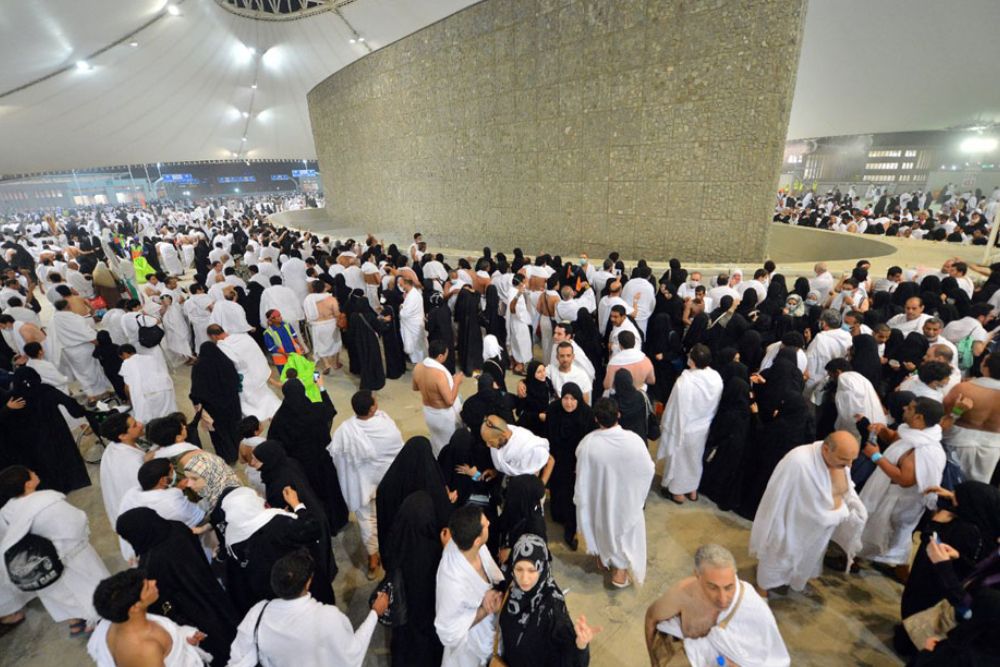
🕋 The Stoning of the Devil (Ramy al-Jamarāt)
Ramy al-Jamarāt (Arabic: رمي الجمرات) is one of the central rituals of Hajj, performed in the sacred valley of Mina, just east of Makkah. Pilgrims throw pebbles at three structures known as the Jamarāt, symbolizing the rejection of Shayṭān (Satan) and submission to Allah’s will.
This ritual commemorates the actions of Prophet Ibrahim (عليه السلام) when he rejected Shayṭān’s whispers and firmly obeyed Allah’s command to sacrifice his son Ismāʿīl (عليه السلام).
📌 How the Ritual is Performed
On Eid al-Adha (10th Dhul Hijjah), pilgrims throw seven pebbles at the largest Jamarah (Jamrah al-Aqabah).
After stoning, men shave or trim their hair, while women cut a small portion of their hair.
On the following 11th and 12th Dhul Hijjah, pilgrims stone all three Jamarāt (small, middle, and large), throwing seven pebbles each in sequence from east to west.
Some pilgrims stay an additional day (13th Dhul Hijjah) and repeat the ritual.
Traditionally, pebbles are collected at Muzdalifah, though they may also be gathered in Mina.
In total, a pilgrim needs at least 49 or 70 pebbles, depending on whether they stay two or three days.
🧱 Structure of the Jamarāt
Until 2004, the Jamarāt were tall stone pillars.
After tragic stampedes, they were replaced with 26-meter-long walls to increase safety.
A multi-level Jamaraat Bridge was built, allowing pilgrims to perform the stoning from different levels.
The three Jamarāt are:
Jamrah al-ʿUla (الصغرى – the small Jamarah)
Jamrah al-Wustā (الوسطى – the middle Jamarah)
Jamrah al-Kubrā or Jamrah al-Aqabah (الكبرى – the large Jamarah)
📖 Historical and Spiritual Significance
According to Islamic tradition:
Shayṭān appeared to Ibrahim (عليه السلام) three times at Mina, attempting to dissuade him from obeying Allah’s command.
With Jibrīl’s (Gabriel’s) instruction, Ibrahim threw stones at him each time, and Shayṭān disappeared.
The stoning thus represents a rejection of Satan’s whispers, as well as one’s own inner temptations (an-nafs al-ammārah – the commanding self).
Spiritually, the ritual symbolizes:
Casting away sin, pride, and desires.
Renewing obedience to Allah.
Waging war against inner weaknesses as well as external influences of Shayṭān.
📌 FAQs about Stoning of the Devil (Ramy al-Jamarāt)
❓ What is Ramy al-Jamarāt?
It is the ritual stoning of three walls (formerly pillars) in Mina during Hajj, symbolizing Prophet Ibrahim’s rejection of Shayṭān.
❓ How many stones are thrown in total?
7 pebbles on Eid day (10th Dhul Hijjah) at Jamrah al-Aqabah.
21 pebbles over the next two days (7 at each of the 3 Jamarāt).
An optional extra day adds another 21 pebbles.
In total: 49 or 70 pebbles.
❓ Where do pilgrims collect the stones?
Traditionally at Muzdalifah after Arafat, but they can also be collected from Mina.
❓ Why was the structure changed from pillars to walls?
To improve safety and prevent overcrowding accidents after the 2004 Hajj stampede.
❓ What do the three Jamarāt represent?
Jamrah al-Kubrā (large): Shayṭān tempting Ibrahim to not sacrifice his son.
Jamrah al-Wustā (middle): Shayṭān tempting Hājar (Ibrahim’s wife).
Jamrah al-ʿUla (small): Shayṭān tempting Ismāʿīl to resist being sacrificed.
❓ What is the deeper spiritual meaning of stoning?
It represents:
Rejecting Shayṭān and his whispers.
Casting aside one’s ego and sinful desires.
Renewing one’s loyalty to Allah and striving for spiritual purification.